Michelle Teran (born in Canada) is an educator, artist, and researcher.
Michelle Teran’s current research prioritizes critical care, regenerative practices, and transformative pedagogy, with a specific focus on ecologies of care, collective grief, feminist, decolonial, and eco-social pedagogies. She situates her work within social practice, at the intersection of art, research, activism, teaching, and community engagement. Her multidisciplinary practice encompasses film, text, publications, performative actions, online works, research and study groups, participatory events, and pedagogic experimentation.
* * *
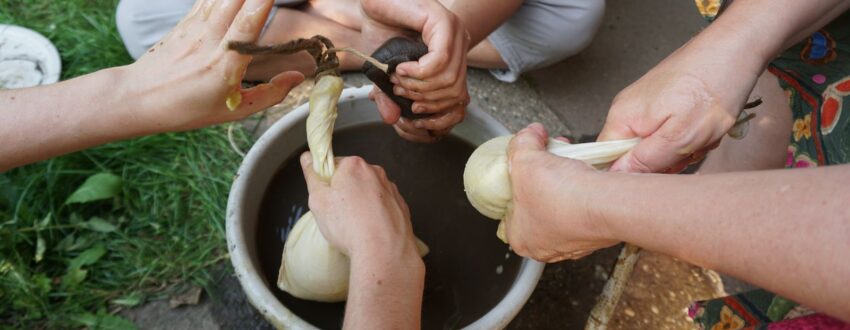
Formerly, she held the position of practice-oriented Research Professor Social Practices (2018-2024) at the Research Centre Willem de Kooning (art and design) Academy (WdKA), where she headed the research area Social Practices, also connected to the study program. She was an Associate Professor of Art + Technology (2016-2018) at the Trondheim Academy of Fine Art, Norwegian University of Science and Technology, and served as the head of the MFA study program. She has led seminars, workshops and master classes to both Bachelor’s and Master’s students (Fine Arts, Media Arts, Media Design, Architecture, Dance, and Theatre) at different institutions throughout Europe and in the subject areas of caring infrastructures, artistic and relational research, creative writing, collective learning, networked performance, transmedia storytelling, surveillant architecture, urban infrastructures, microhistory, and critical cartography. Through workshops, courses, lectures, seminars, and dedicated supervisory roles she accompanies Ph.D., Postdoc, master- and bachelor-level research on a broad spectrum of topics that include radical pedagogies, diversity and inclusion in higher art and design education, food and resistance, politics of housing, critical care, somatic and embodied reading practices, feminist science fiction, collective grief, artistic research methods, autotheory, environmental and narrative ecologies.
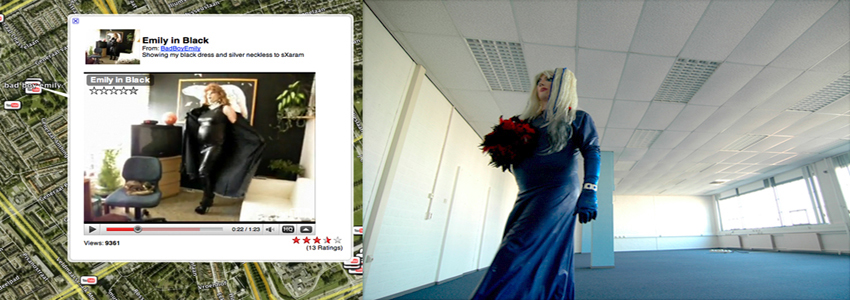
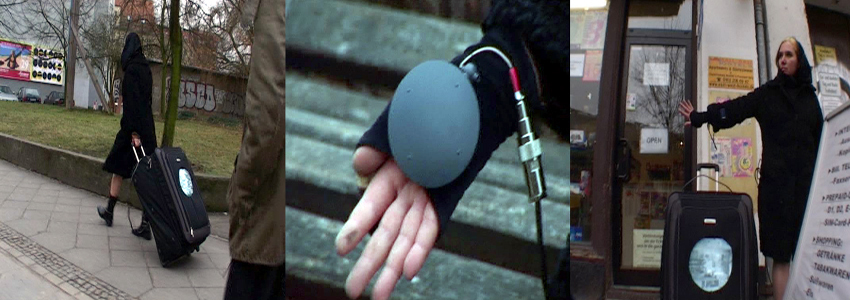
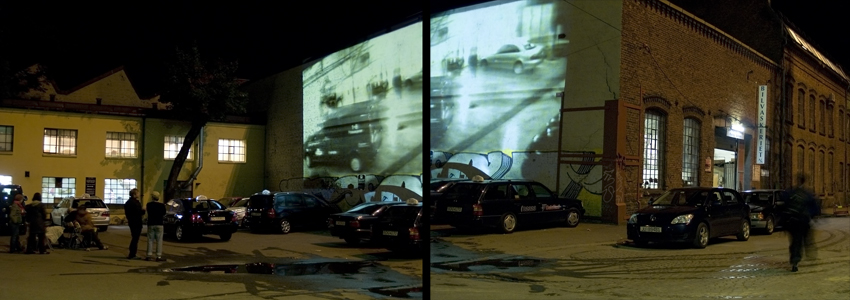
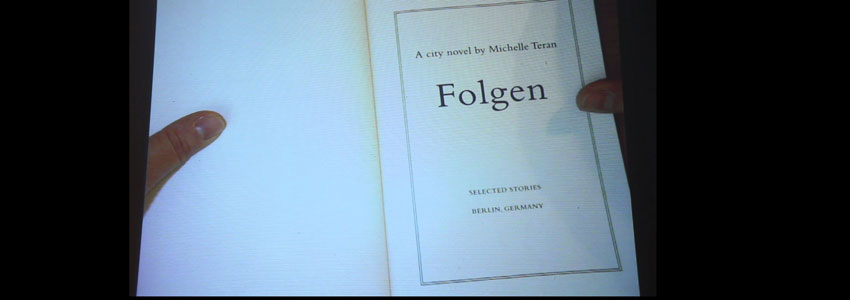
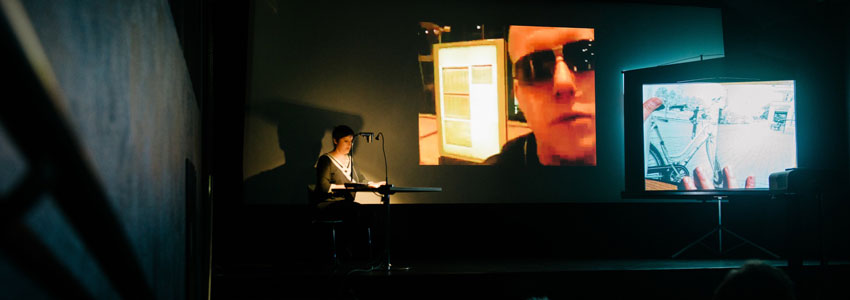
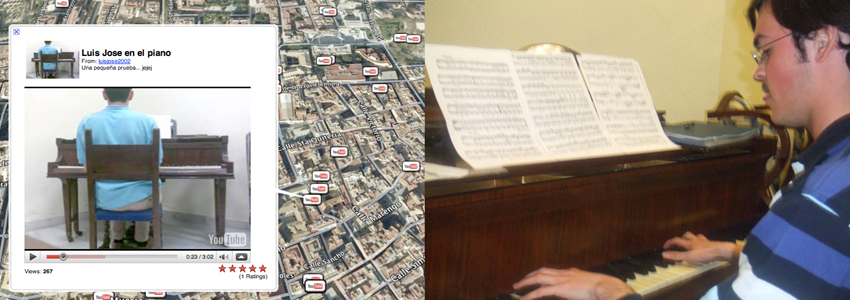
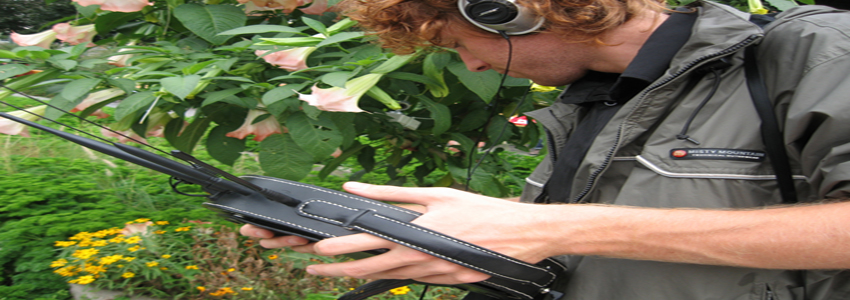
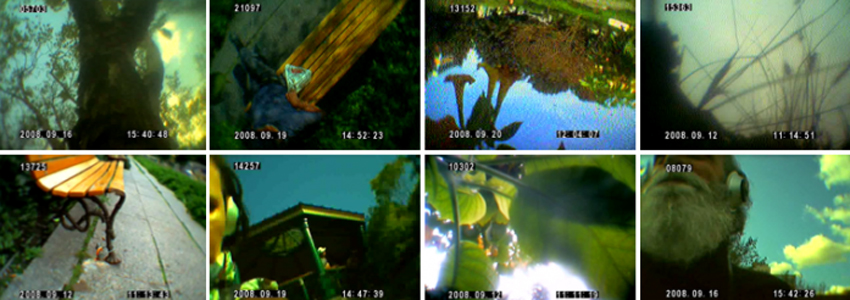
Michelle Teran received her philosophiae doctor (Ph.D.) in Artistic Research, Faculty of Fine Art, Music and Design, University of Bergen (2016). Her research project Future Guides for Cities: From Information to Home looked at the relation between online archives and the domain of the city, examining the notion of a guide, as a person, map, and method. This research built on her award winning work Life: A User’s Manual and and Buscando al Señor Goodbar and was an inquiry into the narrative language within the overlapping of different types of mapping systems: online tracking using geo-locational data, situated storytelling, and contemporary archiving practices. During this period, she joined Microhistories, a research group based in Berlin, Skopje, Gothenburg and Stockholm, with a shared interest on the use of microhistories, or stories of the everyday told by everyday people, as a form of history writing and an artistic genre. The research gathered knowledge from artistic practice/artistic research and the field of history. One of her contributions to the research was her work Folgen, a lecture performance and city novel that drew on existing narratives of video makers found YouTube to build a multi-layered media landscape of Berlin.
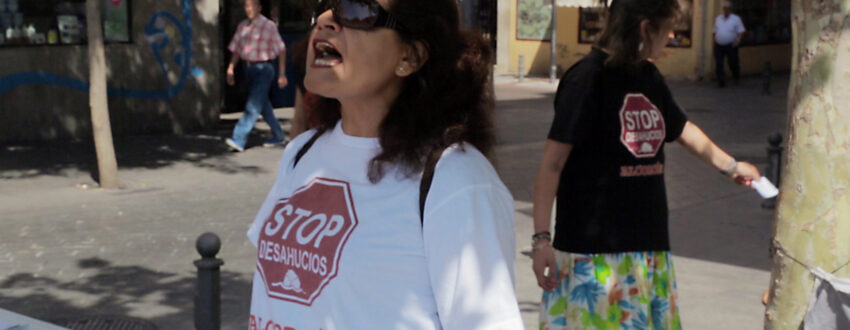
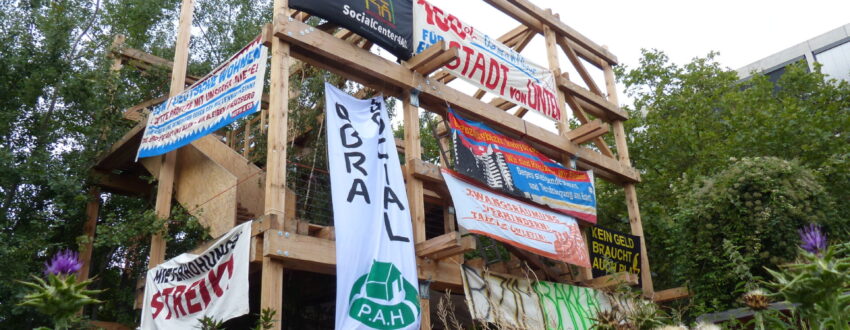
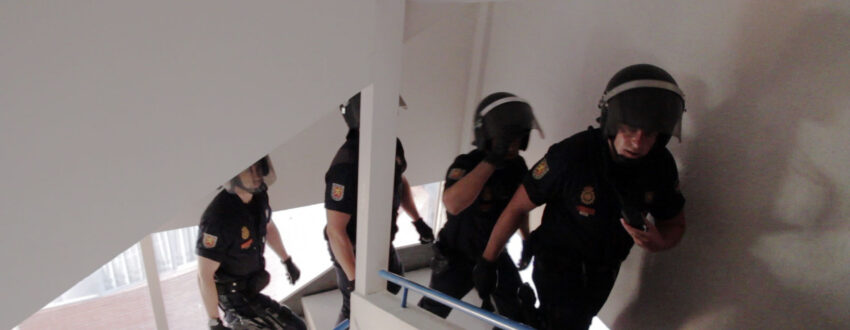
From 2013-2016, working together with Spanish activists, the PAH and Stop Desahucios (Stop Evictions), she produced two films, a book translation, and a performative reading which followed the Spanish housing crisis amidst the global financial crisis. Some of the work was produced through her participation in the artist group SYNSMASKINEN, an inquiry into 7 fields of contemporary political crisis. The English version of Ada Colau and Adria Alemany’s book Mortgaged Lives (original Spanish version Vidas Hipotecas), a translation project initiated by Michelle Teran, was published by the Journal of Aesthetics & Protest. Through the collective learning project The Neighborhood Academy (NAK), she engaged in eco-social learning practices, a Berlin-based, self-organized open platform for urban and rural knowledge sharing, cultural practice, and activism that began around the Prinzessinnengarten. Together with Marc Herbst, she co-edited Everything Gardens! Growing from Ruins of Modernity, one of a three-part publication (ADOCS and nGbK publishers) on how the global ecological crisis and its social repercussions raise questions regarding alternative forms of education and spaces for un/learning and co/learning. Situationer Workbook/Situationer Cookbook, a transformative pedagogy reader (Research Center WdKA/Publication Studio Rotterdam, 2021), connects with emergent research on transformative pedagogy to imagine alternative perspectives on learning and education. In 2021, she initiated the Promiscuous Care Study Group, which researched and wrote about caring infrastructures and promiscuous care. This research culminated in two publications: Promiscuous Infrastructures: Practicing Care (Journal for Aesthetics & Protest, 2024) and Utterances: Composing a Care-Informed Research Practice in the Cracks (HumdrumPress/ Meteoro Editions, 2024).
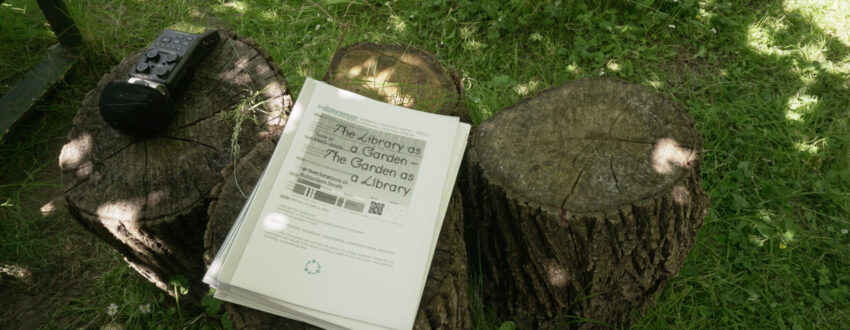
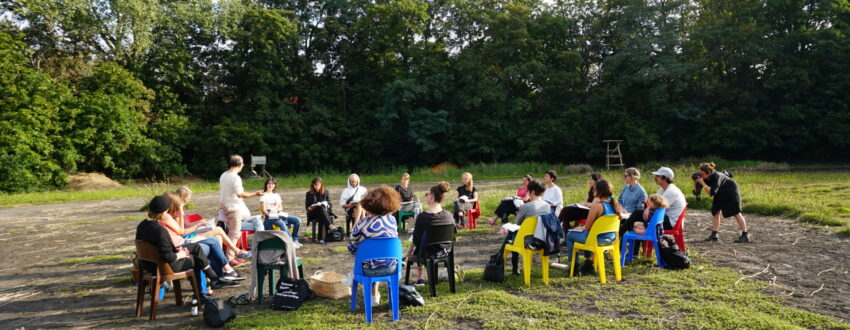
Since 2022, she has been a member of the de Zandweg allotment garden community in Rotterdam South. Her allotment serves as an art and ecology project centered on eco-social and grief-informed pedagogic experimentation. She grows vegetables, experiments with regenerative agriculture, and hosts educational activities, including workshops, collaborations, visiting classes, grief-informed circles, and seasonal celebrations. From this work, two projects have emerged: Learning Grounds with Renée Turner, and Learning to Grow Learning to Grieve. Both projects focus on developing and sharing regenerative and grief-informed practices through local and collaborative initiatives.
She has participated in conferences, performances, exhibitions and events in North America, Europe, Australia and Asia. She is the winner of several awards and grants for her artistic work, including the Transmediale Award, the Turku2011 Digital Media & Art Grand Prix Award, Prix Ars Electronica honorary mention and the Vida 8.0 Art & Artificial Life International Competition. She lives and works between Rotterdam and Berlin.